

Always it was the same, Furlong thought; always they carried mechanically on without pause, to the next job at hand. What would life be like, he wondered, if they were given time to think and reflect over things? Might their lives be different or much the same — or would they just lose the run of themselves?
—Claire Keegan, Small Things Like These
Of course the world of work begins to become — threatens to become — our only world, to the exclusion of all else. The demands of the working world grow ever more total, grasping ever more completely the whole of human existence.
—Josef Pieper
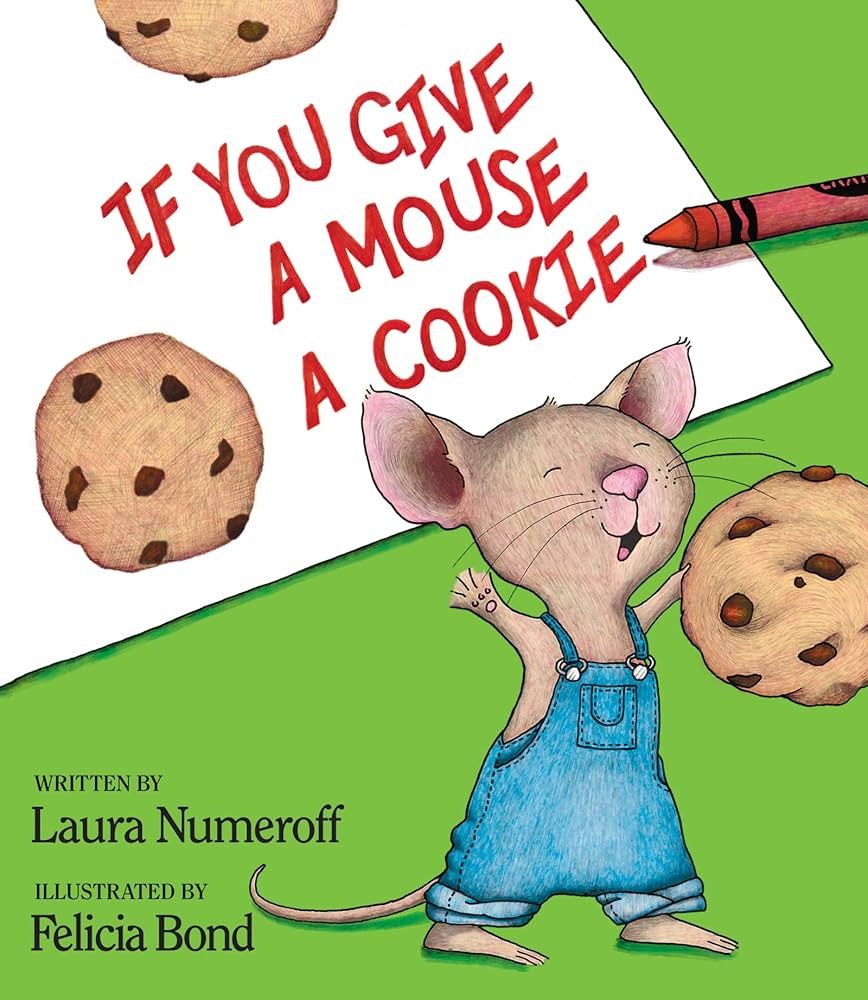
Above: An homage to the most accurate self-help book ever written.
If you give a man a checklist, he’s going to want a pen.
If you give him a pen, he’ll start writing down everything he has to do today. Then everything he has to do this week. He’ll feel better already. Organized and in control.
If he feels in control, he’ll notice he’s been meaning to optimize his morning. So he’ll add that to the list. Wake up earlier. Meditate. Journal. Hydrate. Restrict his screentime. Maybe even throw in a cold shower. He’ll write all of this down and feel a small thrill.
If he optimizes his morning, he’ll need to protect it. So he’ll rearrange his evening. Meal prep. Screen curfew. Sleep hygiene. Supplements. He’ll download an app to track it. The app will suggest additional habits. He’ll add those, too.
If he tracks his habits, he’ll want to track his progress. He’ll start a spreadsheet. Columns for sleep, steps, water intake, deep work hours, pages read. He’ll color-code it. The spreadsheet will become the most beautiful thing he makes all week.
If he tracks his progress, he’ll notice a dip. A red cell. A missed day. He’ll feel a familiar tightness in his chest, the feeling of falling behind in a race he entered voluntarily. He’ll research why. He’ll find an article about energy management. He’ll add energy management to the list.
If he manages his energy, he’ll realize he needs to manage his time. He’ll try time-blocking. Then Pomodoro. Then a hybrid system. He’ll spend sixty minutes building a color-coded calendar that accounts for every waking hour. He won’t notice that this was, itself, an hour.
If he manages his time, he’ll wonder where it all goes. He’ll audit his week. He’ll discover he spends too much time on things that don’t align with his goals. This will require him to clarify his goals. He’ll make a list.
If he clarifies his goals, they’ll feel too abstract. He’ll need to break them into milestones. The milestones into tasks. The tasks into subtasks. Each subtask will get a due date. He’ll feel a momentary pulse of something like meaning. It will pass.
If the meaning passes, he’ll assume the system is the problem. He’ll search for a better system. He’ll read about Zettelkasten, Getting Things Done, the Eisenhower Matrix, the four-hour workweek, building a second brain. He’ll take notes. He’ll organize his notes into a system for managing systems.
If he manages his systems, he’ll realize he’s tired. Not physically tired. Tired the way a clock might be if it could feel the weight of its own ticking. He’ll add rest to the list. He’ll schedule it. Tuesday, 2 to 2:30. Rest.
If he rests on schedule, it won’t feel like rest. It will feel like a task shaped like rest. He’ll sit still and think about everything he could be doing instead. He’ll cut it short and check something off. The checking off will feel better than the resting did.
If checking things off feels good, he’ll add easier tasks just to check them off. “Make bed.” “Eat breakfast.” He knows this is cheating. He does it anyway. Dopamine is dopamine is dopamine, after all.
If the dopamine fades, he’ll feel behind again. He’ll feel behind in a way he can’t quite locate, a behind that lives somewhere beneath the tasks, within the spreadsheet, beside the morning routine. He’ll suspect the problem is deeper. He’ll add “do deeper work” to the list.
If he tries to do deeper work, he won’t know what that means. He’ll Google it. He’ll find a podcast. The podcast will recommend a book. The book will recommend a practice. The practice will require a daily habit. The habit will need to be tracked.
If the habit needs to be tracked, he’ll open the spreadsheet.
If he opens the spreadsheet, he’ll notice it’s gotten unwieldy with far too many columns and colors. He’ll feel a wave of something he doesn’t want to name. He’ll decide to start fresh. A clean slate driven by a new system. New quarter, new him, after all.
If he starts fresh, he’s going to need a checklist.
So he’ll make one.
Per my about page, White Noise is a work of experimentation. I view it as a sort of thinking aloud, a stress testing of my nascent ideas. Through it, I hope to sharpen my opinions against the whetstone of other people’s feedback, commentary, and input.
If you want to discuss any of the ideas or musings mentioned above or have any books, papers, or links that you think would be interesting to share in a future edition of White Noise, please reach out to me by replying to this email or following me on X.
With sincere gratitude,
Tom
This is all very accurate, and I've been down this path. But I've also been down the path of waking up late, and starting the day with no idea what to do, and no motivation to do it. Then drifting through the day vaguely buffeted by the annoyance of others (or the imagination of that annoyance) until the sun sets. But I don't go to bed, I feel some vague sense that I need to extract something from the day, even if it's meaningless pleasure. So I stay up late watching mindless TV or playing a superficial video game. And then the next thing you know I'm waking up late...
I think the Way lies in between these to extremes, the path of moderation and I admit it's difficult to find.
I feel seen and attacked.