

We can be deceived by believing what is untrue, but we certainly are also deceived by not believing what is true. Which deception is more dangerous?
—Søren Kierkegaard
If you’re not confused, you’re not paying attention.
—Tom Peters
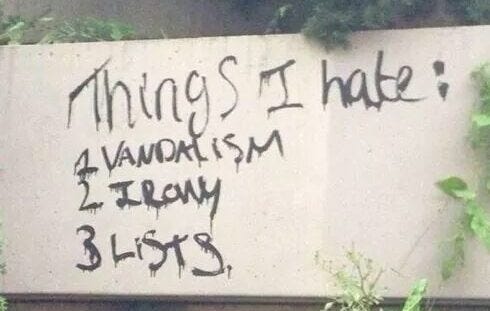
Above: If this was you, read no further.
Here we stand in 2026, gorging on information and starving our formation.
We’ve never had so much help saying things. Our thoughts now have training wheels; our sentences are strapped into seat belts that restrain us from any real rush or risk.
We’ve also never been so tempted to skip the part where we become someone worth listening to.
AI is a cheat code for motion, but not progress. It can make us faster, smoother, cleaner, without making us more real, more honest, more competent, more awake, more alive.
That’s the Faustian bargain of this false god: a machine that can imitate the artifacts of mastery while bypassing the apprenticeship. A cheap facsimile on demand, its exhaust the hard truth that there are no shortcuts and debts always come due: attention, practice, humility, blood, sweat, tears, time.
We’ve never had more access to knowledge—and less excuse to be wise.
We’ve never had better tools—and weaker grips on what they’re for.
The great irony of artificial intelligence is that it reveals, with brutal clarity, how little of our intelligence was ever really ours.
Isaac King put it well:

The Thirteen AIronies
AI will increase songs sung, but not voices found.
AI will increase confidence, but not competence.
AI will increase access to knowledge, but not knowledge itself.
AI will increase answers, but decrease tolerance for uncertainty.
AI will increase convenience, but decrease contact with reality.
AI will increase the polish of our words, but decrease the weight behind them.
AI will increase the likelihood of starting, but decrease the likelihood of committing.
AI will increase prompts written, but decrease thoughts earned.
AI will increase what we can say, but decrease what we’re willing to live.
AI will increase apologies drafted, but not repentance practiced.
AI will increase activity, but decrease agency.
AI will increase how fast we move, but decrease our chances of getting anywhere worth going.
AI will increase what we produce, but decrease who we become.
Speaking of all this increasing and decreasing, we would do well to heed the words of John 3:30 — “He must increase, but I must decrease.”
We ought to remember that deus ex machina is a plot device, not a prophecy.
Per my about page, White Noise is a work of experimentation. I view it as a sort of thinking aloud, a stress testing of my nascent ideas. Through it, I hope to sharpen my opinions against the whetstone of other people’s feedback, commentary, and input.
If you want to discuss any of the ideas or musings mentioned above or have any books, papers, or links that you think would be interesting to share in a future edition of White Noise, please reach out to me by replying to this email or following me on X.
With sincere gratitude,
Tom